
Introduction
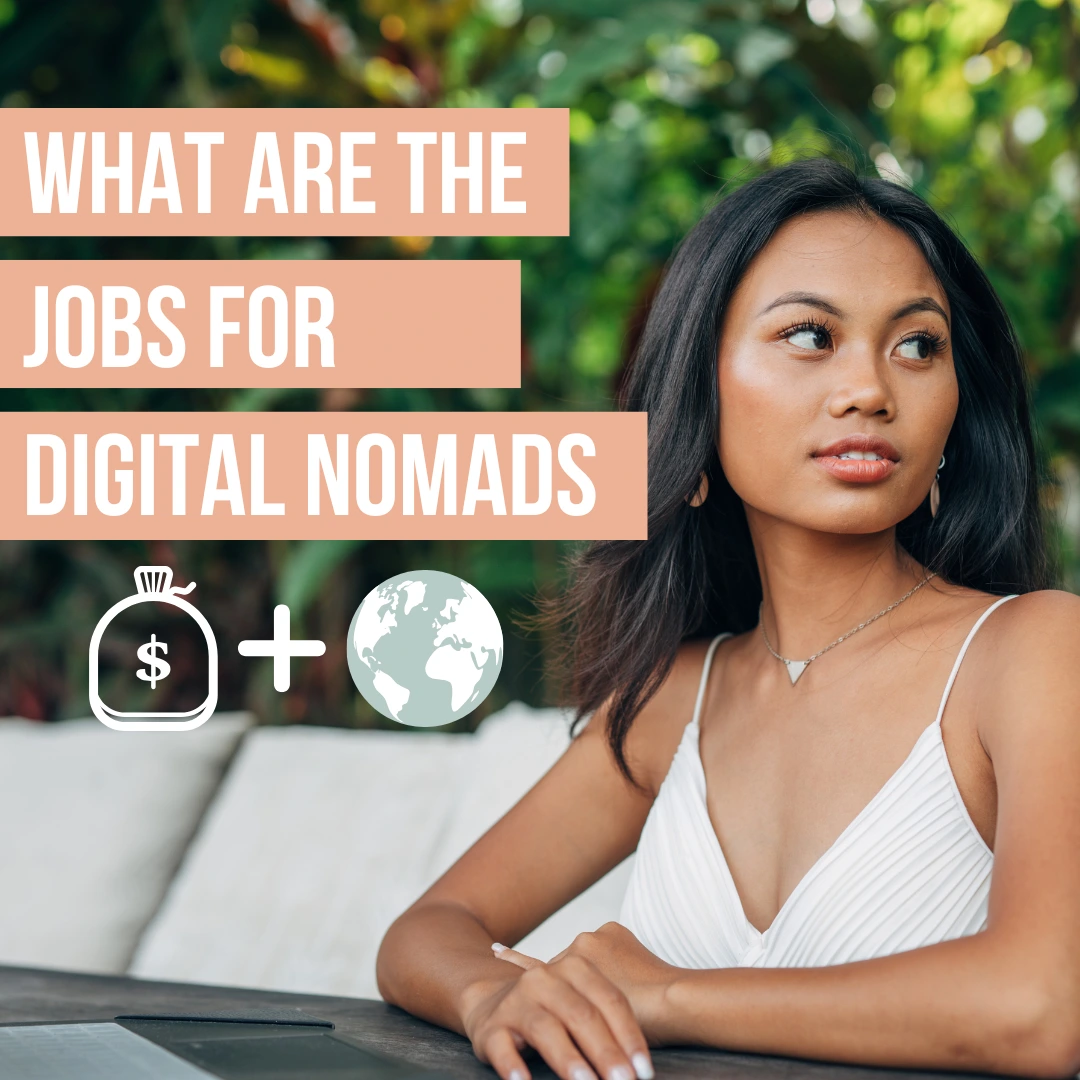
Have you ever dreamed of working from a beach café in Bali, a co-working space in Lisbon, or a mountain cabin in Colombia? That’s the lifestyle of a digital nomad—a person who earns a living online while traveling the world. Thanks to the rise of remote work and digital platforms, this lifestyle has become more realistic than ever.
In this article, we’ll break down the best jobs for digital nomads, why this career path matters, and how you can choose the right option for your skills. Whether you’re just starting or already working remotely, you’ll find actionable tips to help you thrive in the digital nomad lifestyle.
Why Digital Nomad Jobs Matter
The digital nomad lifestyle isn’t just about sipping lattes in exotic locations—it’s about freedom and flexibility. According to MBO Partners, over 17 million Americans identified as digital nomads in 2023, and the number is growing globally.
Why is this trend so significant?
- Rising demand for remote talent – More companies are hiring freelancers and remote workers than ever before.
- Cost of living arbitrage – You can live in affordable countries while earning in stronger currencies.
- Work-life balance – Digital nomads design their schedules, often leading to higher satisfaction.
But there are challenges too. Digital nomads need reliable internet, steady income streams, and the discipline to balance work with adventure. Choosing the right job is the first step to overcoming these challenges.
Top Jobs for Digital Nomads
Here’s a breakdown of the most popular and sustainable jobs for digital nomads, including pros, cons, and best-fit scenarios.
1. Freelance Writing & Content Creation
- What it involves: Writing blog posts, website copy, newsletters, or social media content.
- Pros: Low startup cost, high demand across industries.
- Cons: Competitive market, requires consistent pitching.
- Best for: Strong communicators who love storytelling.
2. Graphic Design & Creative Services
- What it involves: Designing logos, branding, UI/UX, or digital marketing assets.
- Pros: Creative, high-paying for skilled professionals.
- Cons: Need strong portfolio and ongoing skill updates.
- Best for: Visual thinkers and creative professionals.
3. Software Development & Programming
- What it involves: Building apps, websites, or SaaS platforms.
- Pros: High earning potential, remote-friendly.
- Cons: Requires advanced technical skills and continuous learning.
- Best for: Problem-solvers who enjoy coding.
4. Virtual Assistance (VA)
- What it involves: Managing emails, scheduling, customer support, or admin tasks.
- Pros: Easy entry, wide variety of tasks.
- Cons: Lower pay at entry-level, requires organization.
- Best for: Organized, detail-oriented multitaskers.
5. Online Teaching & Tutoring
- What it involves: Teaching English or other subjects via platforms like Preply or iTalki.
- Pros: Rewarding, flexible schedules.
- Cons: Income varies, requires teaching skills.
- Best for: Patient communicators with subject expertise.
6. Social Media Management
- What it involves: Creating and scheduling content, growing communities, running ads.
- Pros: Creative and strategic, in-demand for businesses.
- Cons: Can be time-consuming, results-driven.
- Best for: Trend-savvy individuals who enjoy digital marketing.
7. E-commerce & Dropshipping
- What it involves: Selling products through Shopify, Etsy, or Amazon FBA.
- Pros: Passive income potential, scalable.
- Cons: Requires upfront effort, competition is high.
- Best for: Entrepreneurs willing to test and adapt.
8. Translation & Language Services
- What it involves: Translating documents, websites, or media.
- Pros: Specialized, high demand in global markets.
- Cons: Requires fluency in multiple languages.
- Best for: Bilingual or multilingual professionals.

How to Choose the Best Digital Nomad Job
Choosing the right path depends on your skills, income goals, and lifestyle preferences. Here’s a step-by-step framework:
- Assess your skills
- Are you more creative, technical, or organizational?
- Example: Writers may thrive in content creation, while techies succeed in coding.
- Evaluate income potential
- Look at average pay rates (e.g., freelance writers earn $25–$150 per article, while developers earn much more).
- Consider lifestyle needs
- Do you want a flexible schedule or a stable long-term contract?
- Test before committing
- Start part-time or freelance before quitting your job.
- Look for scalability
- Choose jobs that can grow with you—like building an agency, launching a product, or developing multiple clients.
Tips & Best Practices for Digital Nomads
- Build a strong online presence – Use platforms like LinkedIn, Upwork, or Fiverr to showcase your work.
- Diversify your income – Don’t rely on one client; multiple streams protect you during slow months.
- Prioritize reliable internet – Tools like Nomad List help find digital nomad-friendly cities.
- Budget wisely – Keep track of earnings and expenses. Apps like Wise or Revolut simplify international banking.
- Avoid common mistakes:
- Overbooking projects and burning out.
- Ignoring time zone differences with clients.
- Choosing destinations without researching internet speed or visa policies.
Mini case study: Sarah, a freelance copywriter, started working from her hometown part-time. Within six months, she built a client base and moved to Mexico City. By diversifying her income streams and setting boundaries, she sustained her travels while doubling her income.
Conclusion
The digital nomad lifestyle is more than just a travel trend—it’s a growing career path for those who want flexibility, freedom, and fulfillment. With jobs ranging from writing and design to tech and teaching, there’s an option for nearly every skill set.
If you’re ready to take the leap, start by assessing your strengths, testing opportunities, and building a portfolio. With discipline and planning, you can join the growing global community of digital nomads who work from anywhere.
FAQ: Jobs for Digital Nomads
What are the easiest digital nomad jobs to start with?
Virtual assistance, freelance writing, and online tutoring are the most beginner-friendly options.
How much do digital nomads typically earn?
Earnings vary—freelancers may earn anywhere from $1,000 to $10,000 per month depending on skills and clients.
Do I need special qualifications to become a digital nomad?
Not necessarily. Many jobs rely more on skills and portfolios than formal degrees.
Can digital nomads work from any country?
It depends on visa regulations. Some countries now offer digital nomad visas (like Portugal, Croatia, and Estonia).
What tools are essential for digital nomads?
Reliable internet, project management tools (Trello, Asana), and secure payment systems (PayPal, Wise) are essentials.
Read More

Software Testing: A Beginner’s Guide for Developers
Introduction Software testing is the process of checking if your code works as expected before releasing it to users. For…

Nano Banana: Gemini 2.5 Flash Image for Business Owners
Introduction If you’ve been following AI news, you may have heard the term nano banana. It’s not a fruit—it’s shorthand…

Work From Home Tips: A Practical Guide for Professionals
Introduction Working remotely sounds simple—just open your laptop and start. But in practice, it can be challenging. Distractions, lack of…
Top 10 Productivity Tips That Are Free for Students and Professionals
Introduction Boosting productivity doesn’t have to cost money. Whether you’re a student facing exams or a professional trying to manage…

How to Speak English Easily Step by Step
Introduction Learning English is easier when you follow a structured path. Many learners ask how to speak English easily step…

Framework Trends: A Beginner’s Guide for Junior Developers
Introduction Framework trends are shaping how websites, apps, and digital tools are built. If you’re a junior developer, staying on…